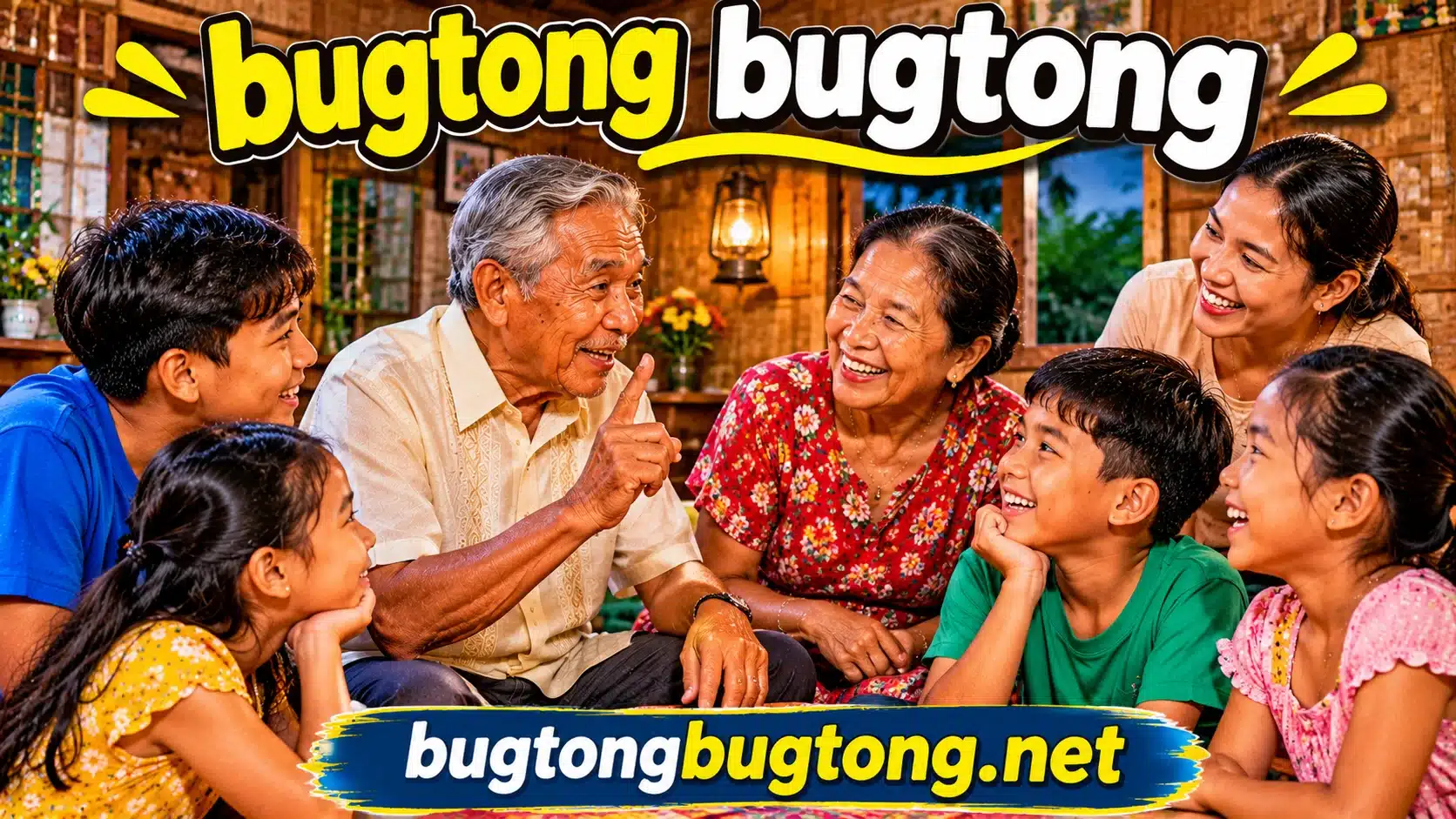
Bugtong bugtong is a popular part of Filipino culture. These short riddles challenge the mind and bring smiles to people of all ages. For many families, bugtong bugtong is more than a game. It is a fun way to learn, share ideas, and spend time together.
Long before phones and social media, people gathered outside their homes and exchanged riddles. Children listened carefully and tried to guess the answers. Adults joined in too. The simple game created laughter and friendly competition. Even today, bugtong bugtong remains a favorite activity in homes, schools, and community events.
In this article, you will learn what bugtong bugtong means, why it is important, how it helps learning, and some examples you can try with family and friends.
What Is Bugtong Bugtong?
The word bugtong means riddle in the Filipino language. A bugtong is a short question, statement, or description that hides the answer. The listener must think carefully and guess what object, animal, person, or idea the riddle is talking about.
Most bugtong riddles use clues. These clues may sound misleading at first. That is what makes them fun. A person must look beyond the obvious meaning and think creatively.
For example:
Bugtong:
Hindi tao, hindi hayop, ngunit may ulo.
Sagot: Pako
In English, it means:
Not a person, not an animal, but it has a head.
Answer: Nail
The riddle uses the word “head” in a different way. That twist makes people stop and think.
The History of Bugtong Bugtong
Bugtong bugtong has existed in the Philippines for many generations. Before modern entertainment, storytelling and word games helped people pass the time. Elders shared riddles with younger family members during evenings and gatherings.
These riddles were often spoken instead of written. Because of this, many bugtong examples traveled from one generation to another through memory and conversation.
Each region in the Philippines developed its own riddles. Some used local words, plants, animals, and traditions. This made bugtong a reflection of daily life and culture.
Today, books, websites, and schools help preserve these traditional riddles. Many teachers use them as learning tools because they improve language and thinking skills.
Why Bugtong Bugtong Is Important
Bugtong bugtong may seem like a simple game, but it offers many benefits.
Helps Critical Thinking
Riddles encourage people to analyze clues and make connections. Instead of giving a direct answer, the riddle forces the brain to work.
Children learn how to think beyond the surface meaning of words. Adults also enjoy the challenge because it exercises the mind.
Improves Language Skills
Many riddles use creative language. They introduce new words and different ways of describing things.
Students can improve reading, speaking, and vocabulary skills through regular exposure to bugtong bugtong.
Preserves Culture
Traditional riddles carry pieces of Filipino history and culture. They teach younger generations about everyday life in the past.
Sharing bugtong riddles keeps old traditions alive. It helps people stay connected to their roots.
Encourages Family Bonding
A simple riddle can start a fun conversation. Families often laugh together while trying to guess answers.
The game requires no equipment. Anyone can join. This makes it perfect for family gatherings and celebrations.
Popular Bugtong Bugtong Examples
Here are some classic examples that many Filipinos recognize.
Example 1
Bugtong:
Isang butil ng palay, sakop ang buong bahay.
Sagot: Ilaw
The light from a small bulb can brighten an entire house.
Example 2
Bugtong:
Hindi hari, hindi pari, ang suot ay sari-sari.
Sagot: Sampayan
The clothesline holds clothes of many colors and styles.
Example 3
Bugtong:
Bahay ni Mang Juan, laging nababasa ang tiyan.
Sagot: Bangka
The bottom of a boat always touches water.
Example 4
Bugtong:
Dalawang batong itim, malayo ang nararating.
Sagot: Mata
The eyes can see far away.
Example 5
Bugtong:
Baboy ko sa pulo, ang balahibo ay pako.
Sagot: Langka
A jackfruit has many pointed spikes outside.
These riddles show how ordinary objects can become interesting through creative descriptions.
How Bugtong Bugtong Helps Children Learn
Many teachers use riddles in classrooms because they combine fun and education.
Children often pay more attention when learning feels like a game. Instead of memorizing information, they become active participants.
Here are some learning benefits:
Better Memory
Children remember information more easily when it comes through stories, games, and puzzles.
Stronger Problem Solving Skills
Every riddle presents a challenge. Children learn how to examine clues and test ideas before choosing an answer.
Improved Focus
To solve a bugtong, a student must listen carefully. This builds concentration and attention skills.
More Confidence
When children guess the correct answer, they feel proud. Small successes help build confidence and motivation.
Bugtong Bugtong in Schools
Many Filipino schools include bugtong activities during language and literature lessons.
Teachers often use riddles to:
- Start classroom discussions
- Develop critical thinking
- Introduce cultural topics
- Practice reading skills
- Encourage participation
Students enjoy competing with classmates to solve riddles. This keeps lessons lively and engaging.
Schools sometimes organize cultural programs where students perform traditional songs, dances, and bugtong presentations. These activities help preserve Filipino heritage.
Traditional vs Modern Bugtong Bugtong
Traditional bugtong riddles often focus on nature, farming, household items, and village life.
Examples include:
- Fruits
- Vegetables
- Animals
- Rivers
- Tools
- Trees
Modern bugtong riddles may include newer objects such as:
- Computers
- Smartphones
- Television
- Internet devices
- Vehicles
This shows how the tradition continues to adapt over time.
While the subjects may change, the goal remains the same. The riddle should make people think and smile.
Easy Bugtong Bugtong for Beginners
If you are new to riddles, start with simple examples.

Bugtong 1
May bintana ngunit walang bahay.
Sagot: Mata
The eye has a window-like opening but is not a house.
Bugtong 2
May ulo, walang katawan.
Sagot: Pako
A nail has a head but no body.
Bugtong 3
Maliit na bahay, puno ng buhay.
Sagot: Itlog
An egg contains life inside a small shell.
Simple riddles help new players understand how bugtong works.
Funny Bugtong Bugtong Examples
Humor plays a big role in many riddles.
Bugtong
Anong hayop ang may limang paa?
Sagot: Kabayong nakasakay ang tao
A horse normally has four legs. Add a rider’s leg and the joke becomes funny.
Bugtong
Ano ang nauuna, manok o itlog?
This riddle creates debate because people have different opinions.
Funny riddles encourage laughter and conversation.
Creating Your Own Bugtong Bugtong
Writing your own riddle can be just as fun as solving one.
Follow these steps:
Choose an Object
Pick something simple such as:
- Pencil
- Chair
- Banana
- Clock
- Phone
Notice Its Features
Think about:
- Shape
- Color
- Use
- Sound
- Movement
Hide the Answer
Describe the object in an unusual way.
For example:
Object: Pencil
Bugtong:
Payat na binibini, utak ay itim.
Sagot: Lapis
The riddle describes the pencil without naming it directly.
Test It
Ask friends if they can guess the answer. If they solve it too easily, make it more challenging.
Why People Still Love Bugtong Bugtong
Many forms of entertainment come and go. Yet bugtong bugtong remains popular.
One reason is simplicity. You do not need electricity, equipment, or special tools.
Another reason is connection. Riddles encourage people to talk and interact. In a world filled with screens, that personal interaction feels valuable.
Bugtong also creates healthy mental exercise. Solving a riddle gives a sense of satisfaction. People enjoy the feeling of discovering the answer on their own.
For many Filipinos, these riddles also bring back childhood memories. Hearing an old bugtong can remind someone of family gatherings, school events, or evenings spent with grandparents.
Tips for Solving Bugtong Bugtong
Want to become better at solving riddles? Try these tips.
Listen Carefully
Every word matters. A small clue can make a big difference.
Think Beyond the Obvious
Many riddles use words in creative ways. Do not focus only on the first meaning.
Consider Daily Objects
The answer is often something common. Think about things you see every day.
Stay Patient
Some riddles take time. Enjoy the process instead of rushing.
Practice Often
The more riddles you solve, the easier it becomes to recognize common patterns.
Bugtong Bugtong in the Digital Age
The internet has given new life to traditional riddles.
Today, people share bugtong bugtong through:
- Social media posts
- Online forums
- Educational websites
- Mobile apps
- Video platforms
Teachers can now reach more students through digital learning tools. Parents can easily find collections of riddles online for family activities.
While technology has changed the way people share bugtong, the core experience remains the same. A clever clue still challenges the mind and sparks curiosity.
The Role of Bugtong in Filipino Identity
Culture is often passed through stories, songs, and games. Bugtong bugtong is one example of this tradition.
These riddles reflect Filipino creativity and humor. They show how people can transform simple objects into interesting puzzles.
When children learn traditional riddles, they gain more than entertainment. They learn language, culture, and history. They also strengthen their connection to previous generations.
This is why many educators and cultural groups continue to promote bugtong activities across the country.
Conclusion
Bugtong bugtong is a treasured part of Filipino culture. It combines fun, learning, and creativity in a simple activity that anyone can enjoy. These riddles help people think critically, improve language skills, and stay connected to cultural traditions.
Whether shared in a classroom, at home, or online, bugtong bugtong continues to entertain and educate. The next time you hear a riddle, take a moment to think carefully. The answer may be hiding in plain sight.
From children to grandparents, everyone can enjoy the challenge. That lasting appeal is why bugtong bugtong remains popular generation after generation.