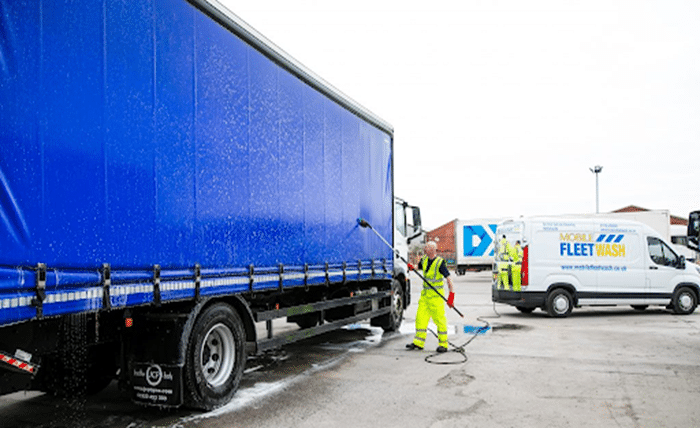
Fleet vehicles work in varied conditions, from urban roads to motorways, depots and construction sites. A consistent routine keeps vehicles presentable, supports visibility checks and helps staff spot damage, leaks or wear. Fleet cleaning maintenance should be planned alongside inspections and servicing, rather than treated as an occasional cosmetic task. Managers should document responsibilities, review missed tasks, and update the plan when routes, seasons or vehicle requirements change.
1. Set a Clear Cleaning Schedule
List each vehicle, its usual routes, mileage, operating hours and type of work. A delivery van travelling daily through city traffic may collect different dirt from a long-distance trailer or refuse collection vehicle.
Many fleets use weekly or fortnightly exterior cleaning, but no single interval suits every operation. Vehicles exposed to mud, road salt, dust or waste residue may need more frequent attention. Specify daily, weekly and monthly tasks, and assign responsibility to drivers, depot teams or an external provider.
2. Inspect Safety-Critical Areas Daily
Before leaving the depot, drivers should check that the windscreen, windows, mirrors, lights, reflectors and number plates are clean and visible. Remove dirt or road spray whenever it obstructs the view or makes lights difficult to see.
Drivers should report damaged lights, cracked glass, tyre defects, loose fittings or warning indicators through the normal reporting process. Record problems promptly so the responsible team can assess them before the vehicle returns to service.
3. Wash Exterior Panels and Wheels
Exterior washing removes road film, dust, mud, bird droppings and other residue from the cab, body panels, bumpers and trailers. Deposits left for long periods can become harder to remove and may conceal scratches, dents or corrosion. Use detergents and methods suitable for the vehicle finish, following manufacturer instructions.
Avoid directing high-pressure water at sensitive electrical components, seals or damaged areas. After washing, report visible defects that may need maintenance.
4. Keep the Cab Clean and Organised
The cab should remain tidy enough for drivers to operate safely. Remove rubbish and unnecessary items at the end of each shift. Wipe frequently touched surfaces, including handles, steering wheels and controls, using suitable products.
Avoid slippery products on the steering wheel, pedals or gear selector. Keep footwells clear so loose objects cannot interfere with pedal operation. If drivers share a vehicle, use a simple handover routine to prevent rubbish and paperwork accumulating between shifts.
5. Combine Cleaning With Maintenance Checks
Once dirt has been removed, staff may spot fluid leaks, damaged bodywork, corrosion, loose fittings or unusual tyre wear. Record concerns and pass them to a qualified technician or fleet manager.
Follow the manufacturer’s maintenance schedule for servicing, tyres, brakes, fluids and other components. Do not delay repairs because a vehicle looks clean or appears to operate normally. Track reported issues until they are resolved, and make responsibility for follow-up clear. Fleet cleaning maintenance works best when cleaning records and maintenance reports support one another.
6. Pay Attention to Specialist Vehicles and Load Areas
Trailer floors, refrigerated vehicles, tankers, refuse collection vehicles and food distribution fleets may require additional procedures based on the previous load, next load and equipment design. Remove loose debris and follow the business’s hygiene rules, customer requirements and applicable standards.
Where a washout is required, confirm that the method suits the cargo area and that waste is handled correctly. Keep records of completed washouts where required, particularly when documentation forms part of an operational or hygiene process.
7. Manage Water, Detergents and Site Safety
A routine should account for the site as well as the vehicle. Confirm where washing is permitted, how vehicles should be positioned and what access restrictions apply. Staff should use suitable protective equipment and follow site procedures around moving vehicles, wet surfaces, hoses and electrical equipment.
Consider drainage and wastewater before washing. Do not allow contaminated wash water to enter surface-water drains or surrounding ground where prohibited. If suitable drainage is unavailable, appropriate containment and disposal may be necessary. Choose cleaning products for the task and follow label instructions for handling and storage.
8. Keep Records and Review Performance
Records can include vehicle identification, cleaning date, task completed, responsible person and defects reported. Digital job records and photographs can help managers monitor work across several depots, while a paper checklist may suit a small fleet.
Track missed cleans, recurring complaints, repeat defects and costs. If vehicles regularly return heavily soiled, adjust the schedule or identify routes requiring extra attention. Review the routine with drivers, maintenance staff and depot managers.
9. Decide What to Handle In-House
Drivers can usually handle daily visibility checks and removing cab rubbish. Larger fleets may use trained depot teams or a mobile provider for scheduled exterior washing, interior valets and suitable trailer washouts. Compare options based on vehicle numbers, site access, available time, reporting needs and the consistency required across locations.
For an external arrangement, agree the cleaning scope, frequency, access rules and documentation process. This reduces confusion about what is included and helps managers compare invoices with delivered work.
Conclusion
An effective routine combines exterior washing, daily visibility checks, cab cleaning, maintenance reporting and accurate records. Adjust frequency to the vehicle’s workload and environment, follow manufacturer instructions, and escalate defects instead of simply washing them away. Clear responsibilities help keep the process practical and repeatable.
Mobile Fleetwash provides on-site cleaning for HGVs, trucks, trailers, vans, refuse collection vehicles and other commercial fleets. Businesses reviewing professional fleet washing in UK can consult these pages to understand the service scope, then confirm requirements, site arrangements and reporting options directly.