
Old technology often evokes a sense of nostalgia, reminding us of simpler times and the innovations that paved the way for modern advancements. From rotary phones to typewriters, these outdated devices still hold surprising benefits, often overlooked in our fast-paced digital world. Understanding the value of old technology can help us appreciate its historical significance and practical uses even today.
What Are Examples of Old Technology?
Old technology encompasses a wide range of obsolete gadgets and devices that have become outdated in the face of modern innovations. Examples include:
- Rotary telephones
- Typewriters
- Dumb phones
- Overhead projectors
- Polaroid cameras
- VHS players
- Fax machines
- Paper maps
These legacy systems, while no longer in common use, still offer unique features and benefits that modern technology sometimes lacks.
Why Does Old Technology Still Matter?
The relevance of old technology extends beyond mere nostalgia. Many outdated devices, such as manual typewriters and analog tools, encourage creativity and focus, devoid of modern digital distractions. They can foster deeper engagement and help users develop skills that are often sidelined in a digital-first environment.
For instance, writing on a typewriter can enhance one’s typing skills and foster a different kind of patience and craftsmanship than typing on a computer. Such traditional tools can serve as effective learning aids in educational contexts, especially for younger generations unfamiliar with these classic electronics.
Old Technology vs New Technology: A Comparison
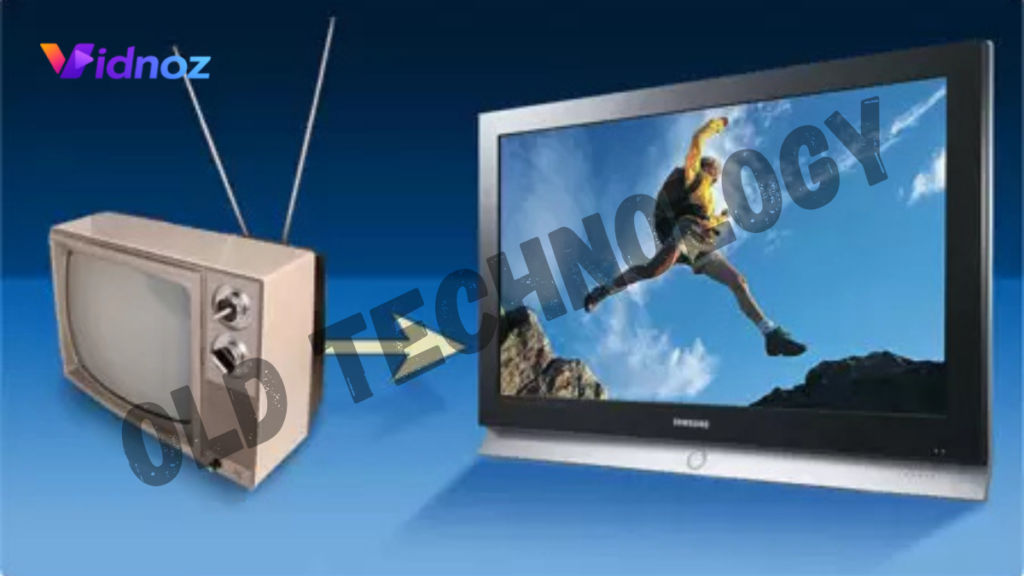
When comparing old technology to new technology, several differences emerge. While modern devices are often more efficient and feature-rich, they can also lead to a reliance on constant connectivity and digital interfaces. Old-school devices, like film cameras and cassette players, offer tactile experiences that many users find appealing.
Moreover, old technology can serve as a bridge to understanding technological evolution. Examining how past innovations led to current capabilities can provide valuable insights into the future of technology. Embracing old tech can also encourage sustainable practices by reducing electronic waste, as many vintage technologies can still function effectively with minimal upkeep.
The Role of Old Technology in Sustainability
In discussions about sustainability, old technology often emerges as a potential solution. Many vintage technologies were designed to last longer and require less energy compared to their modern counterparts. For example, antique machinery often utilizes straightforward mechanics, making them easier to repair and maintain.
Additionally, reusing or repurposing outdated devices can significantly reduce waste. Instead of discarding these items, individuals and organizations can find creative ways to integrate them into new projects, thus extending their lifecycle and conserving resources.
Technological Nostalgia: The Emotional Connection to Old Tech
Technological nostalgia plays a significant role in how we perceive old technology today. Many individuals have fond memories associated with using outdated devices, like playing games on a Game Boy Color or recording music on a cassette tape. This emotional connection often drives a desire to collect or preserve old gadgets, creating a sense of community among enthusiasts.
Preserving old technology can also serve as a form of education, allowing younger generations to appreciate the historical context of modern innovations. Vintage technology showcases the creativity and ingenuity of past inventors and designers, fostering a respect for technological progress.
Challenges of Using Old Technology Today
While old technology offers numerous benefits, there are challenges associated with its use. Compatibility issues with modern systems can arise, making it difficult to find replacement parts or support. For instance, many legacy systems, such as Adobe Flash Player and certain game consoles, are no longer supported, limiting their functionality.
Furthermore, some devices may not meet current safety standards, which can pose risks. Users should consider these factors when deciding to incorporate old technology into their lives, ensuring they understand the limitations and potential hazards involved.
Old Technology in Modern Society
Despite advancements, old technology continues to find its place in modern society. Many individuals still utilize classic electronics, such as rotary phones and typewriters, for their unique features and design aesthetics. Some businesses even use vintage tools for branding purposes, emphasizing authenticity and a connection to the past.
Moreover, retro tech has seen a resurgence in popular culture, with many people embracing outdated devices as symbols of nostalgia and simplicity. This trend reflects a growing appreciation for the charm and character that old technology can bring to everyday life.
Frequently Asked Questions
What are examples of old technology?
Examples of old technology include rotary telephones, typewriters, dumb phones, overhead projectors, Polaroid cameras, and VHS players.
What technology is no longer in use?
Technologies such as fax machines and paper maps are considered outdated and are rarely used in modern contexts.
What are the oldest forms of technology?
Old technology inventions include mechanisms like the wheel, levers, and pulleys, which have been foundational in human development.
What are some benefits of using old technology?
Benefits include greater emotional connections, enhanced focus when using manual devices, and sustainability through reduced electronic waste.
How does old technology contribute to sustainability?
Old technology often requires less energy and can be more easily repaired, reducing waste and promoting a more sustainable lifestyle.
Why do people feel nostalgic about old technology?
Nostalgia arises from emotional connections to past experiences with old technology, creating a sense of community among collectors and enthusiasts.
Old technology holds a unique place in our hearts and society. Its benefits, from fostering creativity to promoting sustainability, illustrate the value of embracing the past while navigating the future of technological innovation.
Next Read: what does it stand for in technology