
Understanding the Geography of Middle East Countries
The Middle East comprises a range of countries located in Southwest Asia, predominantly the Arabian Peninsula and the Levant region. Including nations like Iran, Iraq, and Turkey, this region is characterized by its significant cultural diversity and historical landmarks. The geographic location of these middle east countries plays a crucial role in their geopolitical significance, influencing trade routes, resource distribution, and political alliances.
List of Middle East Countries
Middle East countries vary in size and population, contributing to a rich mosaic of cultures and languages. The following list highlights the nations typically recognized as part of the Middle East:
- Afghanistan
- Armenia
- Azerbaijan
- Bahrain
- Cyprus
- Egypt
- Iran
- Iraq
- Israel
- Jordan
- Kuwait
- Lebanon
- Oman
- Qatar
- Saudi Arabia
- Syrian Arab Republic
- Turkey (Türkiye)
- United Arab Emirates
- Yemen
The Cultural Diversity of Middle East Countries
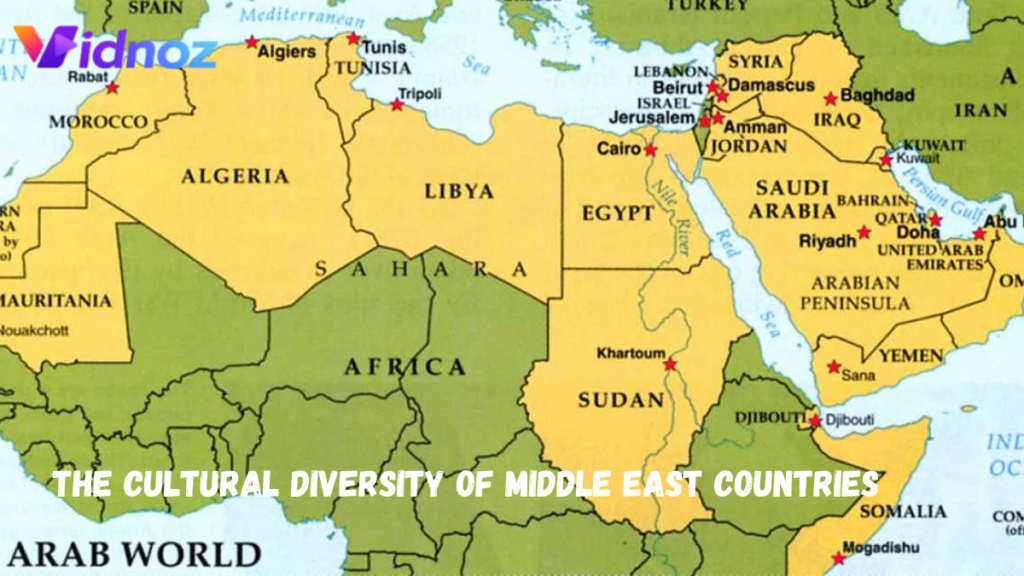
Middle eastern culture is incredibly diverse, with ethnic groups such as Arabs, Kurds, Turks, and Persians predominating. Each group contributes its unique customs, languages, and traditions to the rich cultural tapestry of the region. The culinary landscape is equally varied, showcasing Middle Eastern cuisine that features dishes like kebabs, falafel, and hummus. This cultural diversity is a cornerstone of the identity of middle east countries.
Economic Development in Middle East Countries
Many middle east countries are known for their oil-rich economies, which significantly influence their development and wealth. Nations such as Saudi Arabia and Kuwait have utilized their natural resources to foster economic growth and infrastructure development. However, the region also faces challenges, including political instability and the need for economic diversification. Countries are increasingly focusing on sectors like tourism and technology to boost their economies and reduce dependency on oil.
Tourism in Middle East Countries
Tourism in the Middle East has been on the rise, attracting visitors to its historical landmarks, beautiful landscapes, and vibrant cities. Countries like Egypt are famous for their ancient monuments, including the Pyramids of Giza, while Dubai in the United Arab Emirates is known for its modern architecture and luxury shopping. This burgeoning tourism sector plays a vital role in the economies of many middle east countries, providing jobs and stimulating local businesses.
Political Instability and Historical Conflicts
The Middle East has been marked by historical conflicts and ongoing political instability. Issues such as territorial disputes, religious differences, and the influence of foreign powers have contributed to tensions in the region. Countries like Iraq and Syria have experienced significant strife, affecting their political landscape and economic conditions. Understanding the causes and effects of these conflicts is essential for grasping the current state of middle east countries.
Migration Patterns in Middle East Countries
Migration patterns in the Middle East are shaped by various factors, including economic opportunities and conflicts. Many individuals from neighboring countries seek refuge or better living conditions in more stable nations within the region. This migration has significant implications for social dynamics and labor markets in middle east countries, creating a blend of cultures and communities.
Frequently Asked Questions
What are the 17 countries in the Middle East?
The Middle East typically includes countries such as Afghanistan, Armenia, Azerbaijan, Bahrain, Cyprus, Egypt, Iran, Iraq, Israel, Jordan, Kuwait, Lebanon, Oman, Qatar, Saudi Arabia, Syria, Turkey, the United Arab Emirates, and Yemen.
Is Dubai part of the Middle East country?
Yes, Dubai is part of the United Arab Emirates, which is a Middle East country located on the Arabian Peninsula.
Is Pakistan a Middle Eastern country?
Pakistan is generally not classified as a Middle Eastern country; it is often considered part of South Asia, though it shares cultural and historical ties with Middle Eastern nations.
What are the key historical landmarks in Middle East countries?
Key historical landmarks in the Middle East include the Pyramids of Giza in Egypt, Petra in Jordan, the ancient city of Babylon in Iraq, and the Alhambra in Syria, showcasing the region’s rich history.
What economic challenges do Middle East countries face?
Middle east countries face economic challenges such as political instability, reliance on oil revenues, and the need for diversification into sectors like tourism and technology.
How does cultural diversity impact Middle East countries?|
Cultural diversity in middle east countries fosters a rich blend of traditions, languages, and cuisines, enhancing social dynamics and contributing to the region’s unique identity.
Next Read: what is trigonometry