
Introduction
Baked Alaska is one of those desserts that instantly captures attention. With its striking layers of sponge cake, ice cream, and a golden meringue shell, it’s both a visual spectacle and a culinary delight. The magic lies in its contrast—cold ice cream encased in warm, toasted meringue. This paradox makes it a centerpiece for celebrations and a challenge worth mastering for home bakers.
Beyond its dramatic presentation, Baked Alaska embodies creativity in the kitchen. It allows endless flavor combinations, from classic vanilla and chocolate to exotic tropical blends. Whether served at a dinner party or enjoyed as a family treat, it’s a dessert that sparks conversation and admiration.
History of Baked Alaska
The origins of Baked Alaska date back to the 19th century. It is believed to have been created in honor of the United States’ purchase of Alaska in 1867. The dessert symbolized the icy coldness of the territory, wrapped in warmth, much like its contrasting layers. French chefs also claim credit, with similar versions appearing in Parisian kitchens around the same time.
Over the years, Baked Alaska gained popularity in fine dining establishments. It became a hallmark of culinary skill, often prepared tableside to impress guests. Its name and reputation spread globally, cementing its place as a timeless dessert. Today, it remains a symbol of elegance and innovation in the world of pastry.
Components of Baked Alaska
At its core, Baked Alaska consists of three essential elements: sponge cake, ice cream, and meringue. The sponge cake serves as a sturdy base, absorbing flavors while providing structure. Bakers often experiment with chocolate, vanilla, or nut-based cakes to complement the ice cream.
The ice cream layer is where creativity shines. Traditional recipes use vanilla, but modern variations incorporate flavors like raspberry, mango, or coffee. Layering different ice creams adds depth and surprise to each bite.
Finally, the meringue topping is the crown jewel. Whipped to stiff peaks, it envelops the dessert in a protective shell. When baked, the meringue turns golden, creating a crisp exterior that contrasts beautifully with the cold interior. Achieving the perfect meringue requires precision, but the reward is a stunning finish.
Step-by-Step Preparation Guide
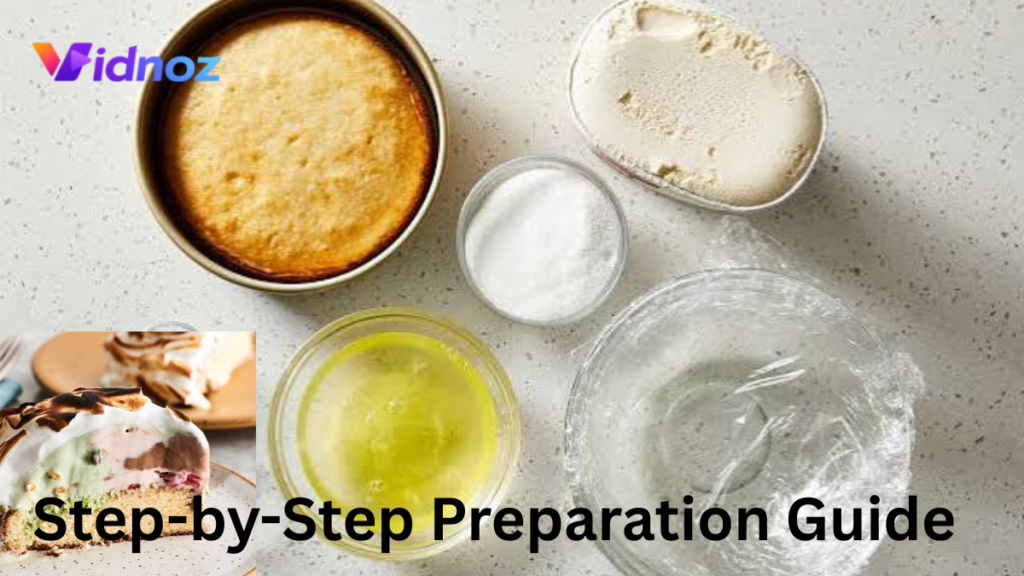
Creating Baked Alaska may seem daunting, but breaking it down makes it manageable. Start with the sponge cake base, baked and cooled to provide a solid foundation. Next, mold the ice cream into a dome shape, freezing it until firm. This ensures it holds its shape during assembly.
Once the ice cream is ready, place it atop the cake. Whip egg whites with sugar until glossy peaks form, then spread the meringue evenly over the dessert. Ensure complete coverage to insulate the ice cream.
Bake in a hot oven for a few minutes until the meringue turns golden. Timing is crucial—too long, and the ice cream melts; too short, and the meringue remains pale. The result should be a crisp, caramelized shell encasing a cold, creamy center.
Common mistakes include under-whipped meringue or insufficient freezing of the ice cream. Patience and precision are key to success. With practice, anyone can master this showstopping dessert.
Variations and Modern Twists
While the classic version is iconic, modern chefs have reimagined Baked Alaska in countless ways. Miniature servings are popular for parties, offering individual portions that are easier to handle. Vegan versions substitute dairy-free ice cream and aquafaba meringue, making the dessert accessible to all.
Flavor innovations abound. Tropical fruits like passionfruit and pineapple bring brightness, while chocolate and coffee add richness. Matcha and exotic spices introduce unique twists, appealing to adventurous palates.
Presentation also evolves. Some chefs flambé the meringue tableside, adding drama and flavor. Others experiment with geometric shapes or layered colors, turning Baked Alaska into edible art.
Serving and Pairing Suggestions
Baked Alaska shines at celebrations, from birthdays to holidays. Its theatrical reveal makes it perfect for special occasions. Pairing it with beverages enhances the experience. Sweet wines like Moscato complement fruity versions, while espresso balances richer flavors.
For plating, garnishes elevate the presentation. Fresh berries, mint leaves, or chocolate shavings add color and texture. A drizzle of fruit coulis or caramel sauce provides contrast and sophistication.
Ultimately, serving Baked Alaska is about creating a memorable moment. Its combination of flavors, textures, and visual appeal ensures it leaves a lasting impression.
Conclusion
Baked Alaska is more than a dessert—it’s a culinary performance. Its history, complexity, and versatility make it a timeless classic. From traditional recipes to modern reinventions, it continues to inspire chefs and delight diners.
Mastering Baked Alaska requires patience, but the reward is a dessert that dazzles both the eyes and the palate. Whether you stick to tradition or explore new flavors, it’s a creation that celebrates the joy of baking.
FAQs
What is the origin of Baked Alaska?
It was created in the 19th century, symbolizing Alaska’s icy coldness.
Can I make Baked Alaska ahead of time?
Yes, but keep it frozen until baking.
How do I prevent the ice cream from melting during baking?
Ensure thorough freezing and complete meringue coverage.
What type of meringue works best for Baked Alaska?
Stiffly whipped French meringue is ideal.
Can Baked Alaska be made without an oven?
Yes, by using a blowtorch to caramelize the meringue.
What are some popular flavor combinations?
Vanilla with raspberry, chocolate with coffee, and tropical fruit blends.
Is Baked Alaska difficult for beginners?
It requires practice but is achievable with patience.
Next Read: valentine’s day gifts